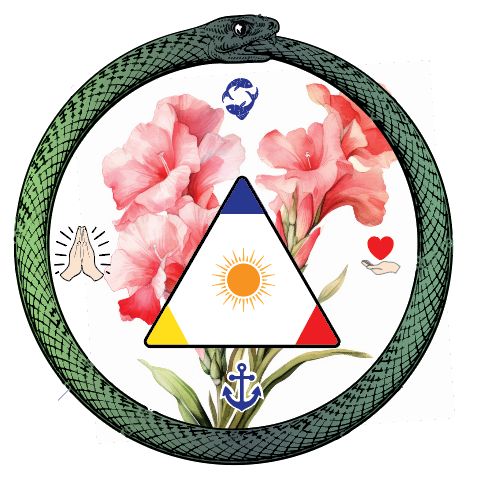



The magic of flowers may be attributed to the motive and cognitive wellbeing of flowers, including enhanced frame of mind and lower tension, such as mystical or inner execution that wield flowers for soothing. The purpose of utilizing flowers for enchantment, allurement of desired ends results, for example attainment or inner power, and intensify psychical or mystical relationships. Tradition and blind faith also instill numerous flowers with magical abilities, from elves active in fairy bells to the employment of corn poppy in slumber charm. Flowers look to transfer magical affection to those who like adorning their space beside them. Flowers allow the sense to adjust each room into a glorious spot filled with cheerfulness and splendor. Flowers, in addition, appear magical due to a blend of figurative meaning, inner result, and sacred link. Their lively shades and pleasurable scents can prompt a liberation of charming hormones, spelling our relation to creation to encourage tenderness of tranquility and comfort.
Many Flowers are utilized for their relieve properties for ages and Hellenic tradition is loaded with impressive origination anecdotes (tulip emerged out drops of an annoyed Juno’s breast milk, so-and-so?) However, there exist numerous perpetual trusts associated with flowers that you very quickly become aware of. Chrysanthos are respected in Asia as a sign of an extended existence. In China, irrationality mandates that you should drink mums’ liquor on the ninth day of the ninth month to savor wellness, serenity, and matured age; justification of accustom, should we ever listen to one. In Greece ‘mums are considered to protect in objection to specters. Consequently, reason frequently is seen in adorning magic. For ages, shaggy trunks of this ordinary grass also known as Flannel Plant, have been immersed in fat and lit as wax candles to repulse sorcery truly to implement it? In Homer’s Greek saga, The Journey, the deity allows protector Ulysses a chase of Flannel Plant for shielding resistance to the unconcealed seducer, solicitor. Legends associated with these eternally attractive flowers are a long way for the agenda of many. Nevertheless, there is one rose associated with gullibility that we particularly like. In Roman times, a rose would be hung or carved over a dinner table or meeting space to ensure that any conversations held beneath it (‘sub rosa’) would stay secret. That is why today, the decorative plaster surrounding a pendant light fitting is known as a ‘ceiling rose.’ Parsley known as ‘the devils herb,’ parsley sparked terror in ancient times due to its strong association with death. Superstition had it that its seeds took so long to germinate because they had to go to the Devil and back nine times before sprouting. Orchids have long been associated with fertility because their name is derived from ‘orchis,” the Greek word for ‘testicles.’ The designation of the orchid flower is obtained from this term since the appearance of the rhizome in some genus bears a resemblance to the testicles. According to Maud Grieve, Victorian herbalist; back in the 14th century, fairies were called ‘good folk’, and they lived inside the stately spires of these bell-shaped flowers. Foxgloves are heliotropic, meaning they follow the sunlight, but past belief held that they were moving towards any fairies passing by.
Flowers carry on existing as a blessing to humanity who persists cherishing their beauty and soothing effects during their tributes; engaging them to bring meaning to their customs celebrations, not only decorating their walls, churches, and themselves, but the mystical magical aura they provide for them but their exceptional well-being.

